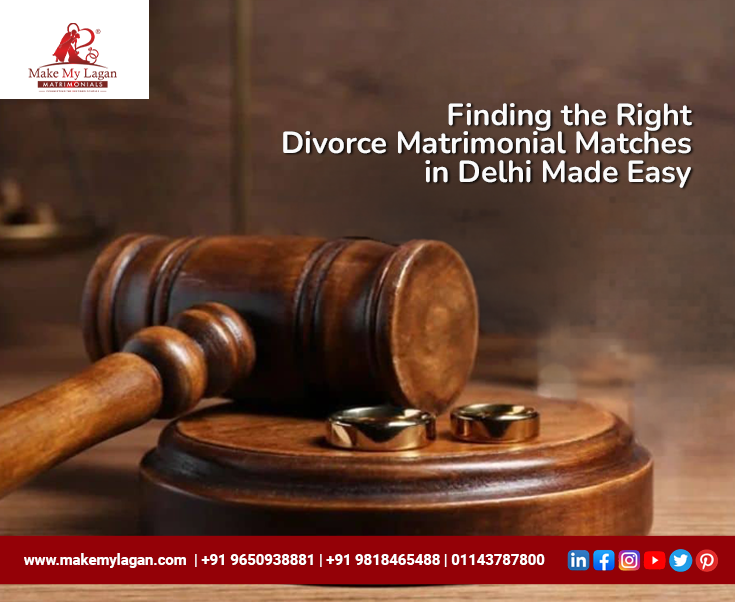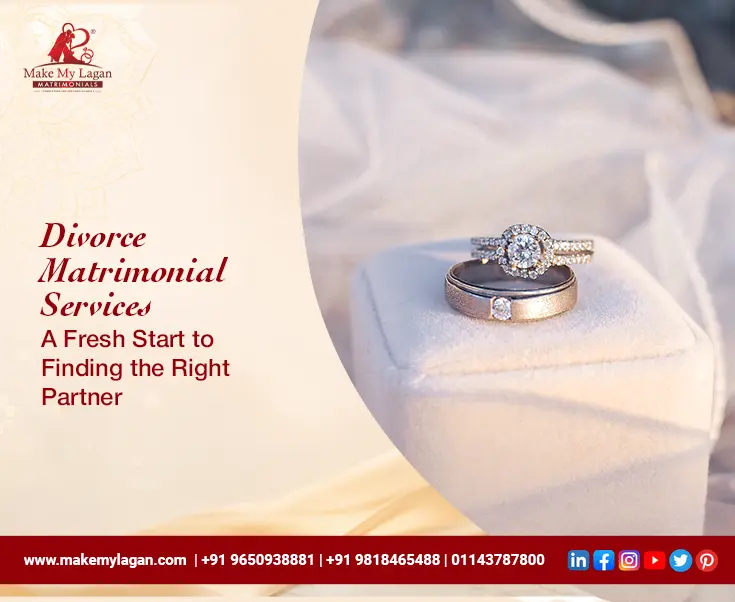
The families who approach a matrimonial service after a divorce are navigating something that general matrimonial services were not originally designed for and that many of them still don’t handle particularly well. The assumption embedded in most traditional matrimonial processes is that both parties are entering a first marriage, with no prior history complicating the search and no specific sensitivity required around how the situation is presented or discussed. A person who has been through a divorce is bringing a different set of experiences, a different set of requirements and sometimes a different relationship with the matrimonial process itself, one that’s been informed by what the previous match did or didn’t produce.
The divorce matrimonial services that work are the ones that have built their process around this specific situation rather than accommodating it at the margins of a general matchmaking framework.
What Makes Divorce Matrimony Different as a Matchmaking Context
The practical differences between a first-marriage search and a divorce matrimonial search are specific enough to matter in how the matching is done. The pool of people in the same situation who have been through a divorce and are looking for a second marriage with someone who understands that history is real and growing in Indian cities, particularly in urban contexts where divorce rates have increased and where the social stigma that once attached to this situation has reduced significantly among certain communities and generations.
Indian divorce matrimony when handled well means matching people who have compatible views of what went wrong the first time and what they’re looking for differently the second time. These are conversations that a good matrimonial consultant should be having with clients rather than treating the divorce as a fact to be filed in the profile and the matching process as identical to what happens for first marriages.
What someone needs from a second marriage, what they’ve learned about themselves from a first one that didn’t work and what they genuinely want to be different are the questions that inform good divorce matrimonial matches. They’re also the questions that most databases and algorithmic matching processes don’t know how to ask, which is why the consultative dimension of a service matters more in this context than in a first-marriage search.
The Sensitivity Dimension
The handling of the divorce history in how a profile is presented to potential matches is one of the dimensions where matrimonial services vary most. A service that treats the divorce as a lead detail to be disclosed upfront in the profile is operating differently from one that helps the client think through how and when the history is relevant and how to present it in a way that reflects the whole person rather than one fact about their history.
Neither approach is universally right. Some clients want to be explicit from the beginning and are looking for a partner who has specifically sought out someone in the same situation. Others are comfortable with the history being known but don’t want it to be the first thing a potential match sees. A service that can have this conversation with each client individually and build the presentation approach around what makes sense for that specific person is providing something a database-first service can’t.
Divorce matrimonial matches also sometimes involve children from the previous marriage, which is a further layer of complexity that the matching process should address rather than leave for the clients to navigate independently after an introduction has been made.
Make My Lagan’s divorce matrimonial service is built around the specific requirements of clients who have been through a previous marriage, with a consultative matching process, sensitive handling of profile presentation and a pool of verified profiles specifically in this category.
FAQs
- Is there a stigma around divorce matrimony in India today?
Ans. The stigma has reduced significantly in urban India, particularly among educated families and younger generations. Attitudes vary considerably by community, region and generation, and a good matrimonial service understands these nuances and can advise clients on how to approach the search in a way that reflects their specific social context.
- What should someone look for in a divorce matrimonial service specifically?
Ans. A service that has a specific process for clients who’ve been through divorce rather than treating them as a variant of the standard first-marriage search. This includes consultants who understand the specific matching considerations, a verified pool of profiles in the same category and sensitive handling of how the history is presented.
- How does a divorce matrimonial search differ from a first-marriage search?
Ans. Beyond the profile difference, the questions that matter in matching are different. Compatibility around what someone wants differently from a second marriage, views on blended families where children are involved and the emotional readiness of both parties are specific dimensions that don’t feature in a first-marriage search.
- How are children from a previous marriage handled in divorce matrimonial matching?
Ans. A serious service addresses this as part of the matching conversation rather than leaving it for clients to disclose after introductions are made. Whether a potential match is open to a partner with children, and what the expectations around the relationship with those children would be, are relevant matching criteria that should be discussed during the consultation stage.
- How long does the divorce matrimonial process typically take?
Ans. It varies by the client’s specific requirements, the community and the depth of the verified pool in that category. A client with specific requirements around someone who has been through a similar experience has a narrower but better-defined pool to match within. Honest timeline expectations are something a good consultant provides based on the specific situation rather than in general terms.